
When everything works too smoothly, awareness quietly drops out of the system.
Before We Dive In
Every upgrade promises the same thing: less effort. Seamless sign-ins. Auto-fill forms. Instant replies.
It’s beautiful engineering, and a subtle risk. Because each time a process becomes perfectly smooth, we lose a tiny pause where judgment used to live.
That pause was never wasted time. It was decision time. The space between input and output where intent is confirmed, risk is assessed, and ownership is reinforced. Perfect design erases that microsecond of reflection, and with it, the accountability that protects both user and system. In a world that values speed over sense, friction isn’t inefficiency. It’s integrity.
When Perfect Becomes Passive
Designers call it “frictionless experience.” But the smoother a system feels, the easier it becomes to stop thinking.
One-click checkout skips the budget conversation. Auto-approval hides the terms we’d normally read. Predictive replies answer messages we haven’t really processed.
Perfect design doesn’t just save time. It subtly shifts power. When we remove effort from the user, we also remove consent, inquiry, and the natural skepticism that keeps systems ethical. Friction once protected awareness. It forced small acts of verification. Without it, humans become endpoints or compliant actors inside a flow that someone else defined.
The irony? Seamless systems that were built to empower us now rely on us the least.
Re-Introducing Friction, On Purpose
Friction isn’t inefficiency. It’s oversight. It gives us a built-in circuit breaker between intent and automation.
Here’s how to keep seamless systems from quietly overriding good judgment:
- Build One Pause Back In. Add confirmation steps before renewals, payments, or sends. Those seconds aren’t waste. They’re your last chance to notice anomalies, double-check purpose, or catch manipulative design patterns (the so-called “dark UX” tactics).
- Audit What You’ve Automated. Once a month, list the workflows that act without review: auto-scheduling, reminders, approvals, or content queues. Then ask: “If this failed silently, who would know first?” Governance doesn’t require bureaucracy. It requires visibility.
- Teach Teams to Question Ease. In product or process reviews, make “Where did friction go?” a standard agenda item. That single question reframes design as risk discipline, not just usability. Great design doesn’t remove thought; it rebalances it.
Technology should never think instead of us. Only alongside us. Friction keeps that partnership alive.
A Small Experiment for This Week
Try this quick Friction Check-In to audit how seamless your systems have become:
- Select One Routine Task. Choose something you do automatically (accepting invites, approving expenses, sending recurring emails, or buying online).
- Do It Manually. Turn off shortcuts for a day. Revisit every click, tab, and step as if you were doing it for the first time.
- Observe What You Notice. Which details did you skip before? What assumptions no longer hold true? Did the system’s defaults still align with your intent?
- Redesign the Process Intentionally. Add back one meaningful pause, maybe a weekly review, an extra confirmation, or an alert that explains before executing.
- Document What You Learned. Note any inefficiencies, errors, or overlooked patterns. Those moments often point to your next process improvement or policy update.
When you design friction on purpose, you trade speed for awareness. And awareness is what keeps systems honest.
From Insight to Action
If this topic hit close to home, you’re not alone. Most founders and operators now run entire businesses on invisible systems: subscription renewals, automated outreach, and AI assistants that move faster than human judgment can catch up.
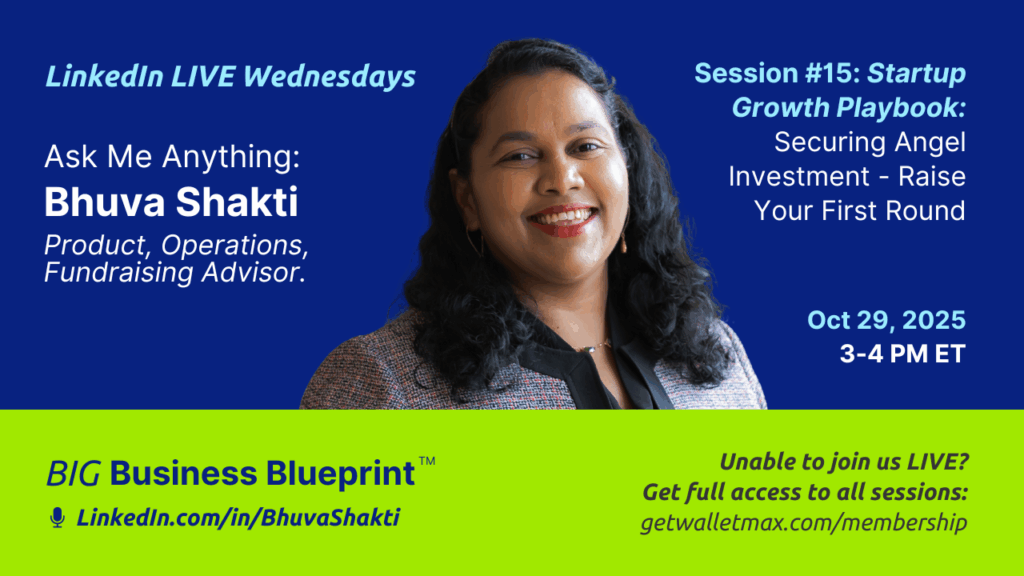
That’s why I created The Startup Growth Playbook: a bi-weekly LinkedIn Live for builders, operators, and leaders exploring how tech, risk, and growth systems intersect.
- 🎥 Next session: Securing Angel Investment – Raise Your First Round
- 📅 Join me virtually on: October 29, 2025 @ 3:00 PM ET
- 🔗 RSVP and get updates via Luma → https://luma.com/BusinessGrowthOCT29
💬 Whether you’re refining your pitch, building traction, or designing smarter processes, these sessions are designed to move you from reactive systems to intentional growth. The kind that compounds over time.
Your RSVP connects you to replays, frameworks, and future sessions from BIG Risks: Everyday Decisions, the deeper playbook for thoughtful growth in a fast world.
Closing Thought
Friction is the invisible proof of awareness. When we design it out completely, we design out discernment too. True innovation isn’t about erasing resistance. It’s about keeping just enough of it to stay awake, curious, and in control.
Because in an age of perfect systems, the most human thing you can do is hesitate. Just long enough to know why you’re saying yes.