Most people I know aren’t ignoring climate change. They’re just trying to make rent. I’ve sat across kitchen tables where a $70 grocery bill felt like a gamble. And I’ve sat in boardrooms where climate was still debated as “optional.”
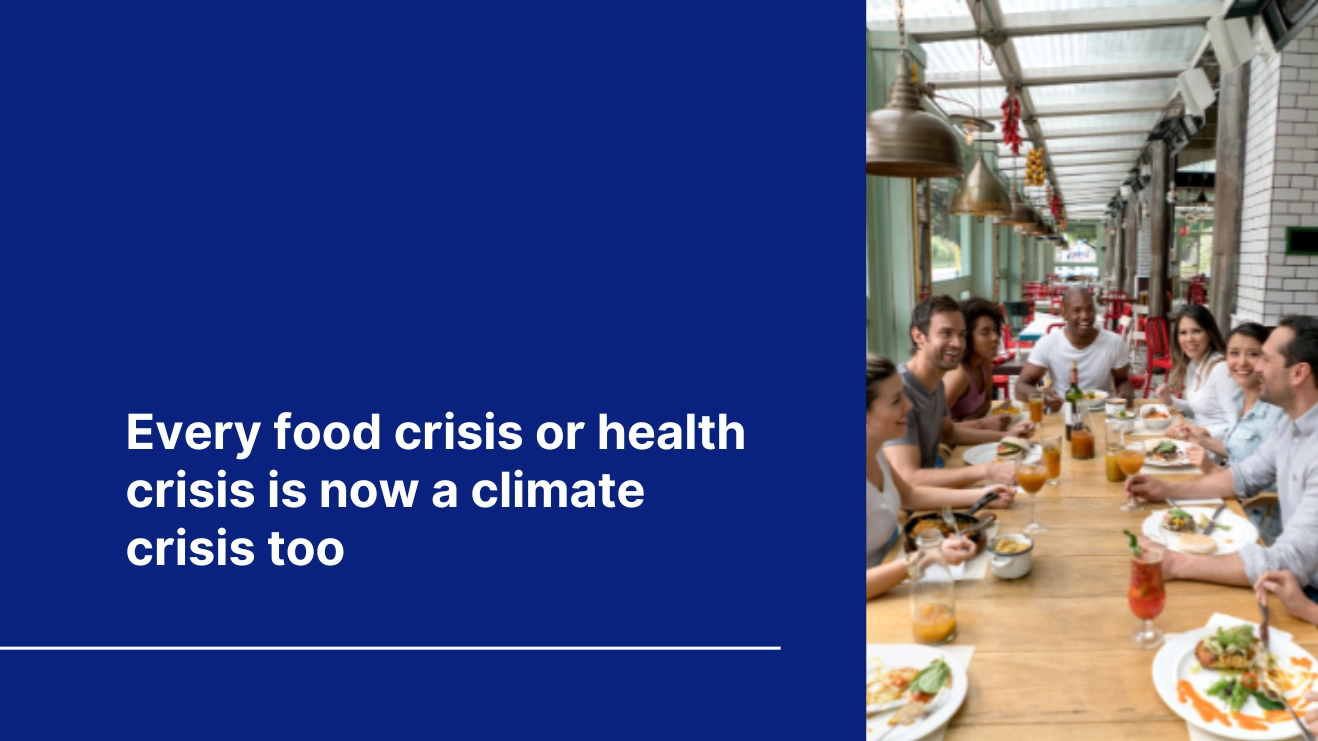
But let’s be honest. If our systems don’t protect the most vulnerable, we’re not managing risk. We’re multiplying it. Every food crisis or health crisis is now a climate crisis too.
This Week’s Focus:
- Introduction to UN SDGs
- UN SDG 1: No Poverty
- UN SDG 2: Zero Hunger
- UN SDG 3: Good Health and Well-Being
- Video Reel of the Week
- Upcoming Events
1. Introduction to UN SDGs:
The United Nations Sustainable Development Goals (UN SDGs) are a set of 17 goals designed to create a safer, healthier, and more equitable world by 2030. But for many people, these goals still feel abstract—like they’re for diplomats, not for daily life.
So each week, I’ll break down a few SDGs and connect them directly to how we live, work, and make decisions today. We’ll focus on risk not as a statistic, but as a lived reality and a solvable one. This week, we begin with the basics: food, shelter, and health.
2. UN SDG 1: No Poverty
1 in 8 U.S. households live below the poverty line. In 2023, over 12 million children in the U.S. lived in poverty. Climate-related disasters have cost the U.S. $183 billion since 2020, and disproportionately affect low-income families. Poverty is not just an economic risk. It’s a climate consequence.
Everyday Solution:
- Support local mutual aid networks, food banks, and energy-bill assistance programs.
- Even $25/month to a verified local relief fund can help someone keep their lights on during a heatwave.
3. UN SDG 2: Zero Hunger
In 2024, 44 million Americans experienced food insecurity. Droughts and floods are driving up crop prices and reducing food access globally. The World Bank warns that climate change could push 100 million people into hunger by 2030. Climate risk now shows up in your grocery receipt.
Everyday Solution:
- Cook with local and seasonal produce when possible.
- Support community gardens, farmers markets, or food co-ops in your neighborhood.
- Small actions shift demand, and keep food affordable and accessible.
4. UN SDG 3: Good Health and Well-Being
1 in 5 global deaths are linked to air pollution. Hospitalizations from heat stroke and asthma are rising across the U.S. Wildfires, flooding, and contaminated water all create cascading public health risks. Climate action is no longer optional, if you want to protect your health.
Everyday Solution:
- Check your local air quality before outdoor activities.
- Swap car trips for walking or biking when feasible.
- Talk to your employer or school board about clean air, water, and cooling infrastructure.
5. Video Reel of the Week
In the time it takes to read this, over 2 million plastic bottles will be sold. Less than 10% will be recycled. Sustainability is no longer a nice-to-have. It is the new bottom line. We can build profitable systems that protect both people and planet.
Hear my 30-second clip on why sustainability is a critical strategy for financial growth and operational resilience. Watch on YouTube.
6. Upcoming Events
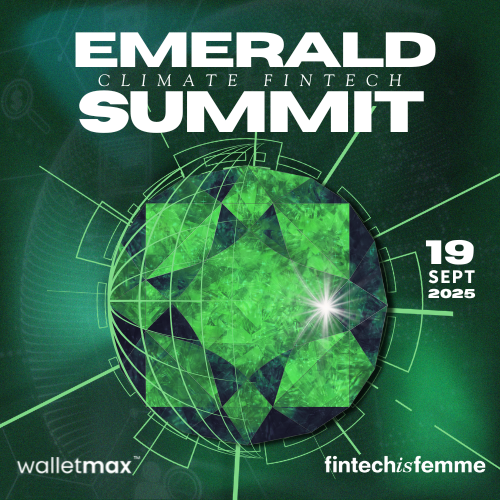
I created the Emerald Summit, annually during NYC Climate Week, because climate risk isn’t just a future problem. It’s a present systems failure. We need rooms where capital meets community, and bold solutions are funded by those ready to lead.
Join us on September 19th, 2025 to build climate solutions together with sustainable finance. We’re not just hosting another round of panels. This is a working room designed for people ready to move capital, policy, and product toward what actually works NOW.
If you want to be part of that shift, and not watch from the sidelines, this is your room. If you care about housing, health, safety, community, or economic stability—this is your signal. We’re here to show what’s possible. When capital meets climate with intention.
If that sounds like you, come join us. RSVP here: https://lu.ma/EmeraldSummit25