Most people don’t realize they’re in a water crisis until it hits their faucet. Or their child’s school. Or their monthly bill. Like when a boil-water advisory shuts down daycare for two days. Or when your water bill doubles, but no one’s quite sure why. It’s rapid. And it’s already here.
Water is not just a resource, it is our most fragile and overlooked infrastructure. I’ve been inside boardrooms where sustainability still gets debated like a branding issue. But I’ve also been inside schools and hospitals where water isn’t just infrastructure—it’s survival.
If we ignore the basics, we’re not just creating inequality. We’re compounding systemic risk, until crisis exposes the cost.
This Week’s Focus:
- UN SDGs Intro, and Review of SDGs 1-3
- UN SDG 4: Quality Education
- UN SDG 5: Gender Equality
- UN SDG 6: Clean Water and Sanitation
- Video Reel of the Week
- Upcoming Events
1. UN SDGs Intro, and Review of SDGs 1-3:
The United Nations Sustainable Development Goals (UN SDGs) are a set of 17 goals designed to create a safer, healthier, and more equitable world by 2030. But for many people, these goals still feel abstract—like they’re for diplomats, not for daily life.
So each week, I’ll break down a few SDGs and connect them directly to how we live, work, and make decisions today. We’ll focus on risk not as a statistic, but as a lived reality and a solvable one.
Last week, we began with the basics: shelter (SDG 1: No Poverty), food (SDG 2: Zero Hunger), and health (SDG 3: Good Health and Well-Being). Here’s a review of Aug 01, 2025 blog post. And this week, we’ll explore: education, equality, and water.
2. UN SDG 4: Quality Education
1 in 6 children globally are not in school. In the U.S., climate disasters have disrupted access to classrooms for over 1 million students annually. And education systems are still catching up from pandemic-era learning loss, especially in underserved and rural areas.
A 2023 UNICEF report found that 43% of schools worldwide lack access to basic handwashing facilities with water and soap, undermining both education and public health.
Without consistent, quality education, communities are more vulnerable to economic shocks, misinformation, and climate disempowerment.
Everyday Solution:
- Donate school supplies or sponsor internet access for local youth programs.
- Advocate for climate resilience plans in your school district.
- Even reading with a child 15 minutes a day builds a more resilient future.
3. UN SDG 5: Gender Equality
In over 80 countries, women and girls are still disproportionately responsible for water collection, thus limiting their access to education, income, and safety. In the U.S., women of color face compounded wage gaps, caregiving burdens, and underrepresentation in STEM and climate sectors.
According to the UN, closing gender gaps in employment could boost global GDP by $7 trillion. Yet, current progress is still over 130 years away at the current rate.
Gender is not a side issue. It’s a front-line indicator of how a system functions under stress.
Everyday Solution:
- Hire or mentor women in leadership roles, especially in finance, tech, and sustainability.
- Support organizations that invest in maternal health, education, or safety.
- Interrupt bias when you see it: at home, work, or in hiring rooms.
4. UN SDG 6: Clean Water and Sanitation
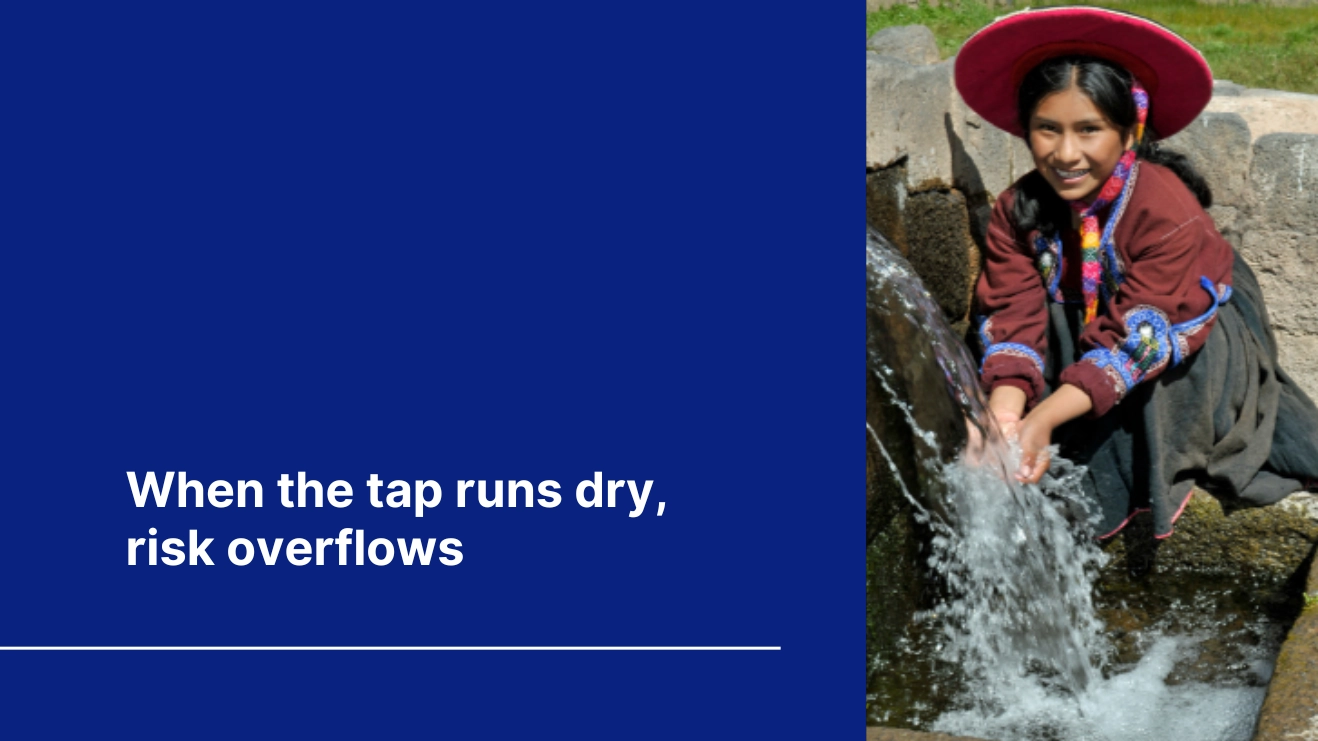
Nearly 2 billion people worldwide still lack access to safe drinking water. In the U.S., lead pipes, flooding, and droughts threaten both rural and urban communities, especially those already economically stretched. Climate change is amplifying every water stress point.
The Environmental Protection Agency (EPA) estimates that over 9 million lead service lines still deliver water to homes across the U.S., and many of them are in low-income neighborhoods.
When the tap runs dry or floods the street, it’s not just an inconvenience. It’s a signal of deeper failure of planning, access, and protection.
Everyday Solution:
- Fix leaks at home and avoid wasting water during peak usage hours.
- Support clean water initiatives in your city or local school.
- Ask your city council how your district is preparing for climate-related water risks.
5. Video Reel of the Week
Most risks are invisible, until systems break. In this 30-second clip, I explain how sustainability is not just about climate. It’s about continuity. When operations fail, it’s often because we treated risk as external. But true leadership is about designing for resilience from the inside out.
Watch on YouTube: Why sustainability is a leadership decision, not a luxury.
6. Upcoming Events
What if one day could change your career, your company, or your community?
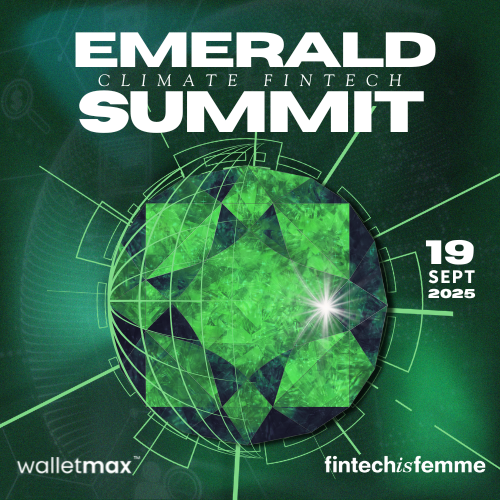
That’s why I created the Emerald Summit, annually during NYC Climate Week, a one-day, high-stakes working room where capital meets climate with urgency. Because climate risk isn’t a “someday” problem anymore. It’s today’s school closures, grocery costs, water shutdowns, and supply chain failures.
On September 19, you’re invited to join regulators, technologists, investors, and bold builders to design what comes next, together. This isn’t another panel parade. This is a career-shaping, business-defining, system-changing room. For leaders who don’t wait for permission; they shape the next era. Because the future will not wait, and neither should you.
🔗 If that sounds like you, come join us. RSVP here: https://lu.ma/EmeraldSummit25